
| Verse of the day Do not neglect to do good and to share what you have, for such sacrifices are pleasing to God. – Hebrews 13:16 |
| Voice of the day There are sufficient resources in the world for the needs of everybody, but not enough for the greed of even a significant minority. – Millard Fuller, The Theology of the Hammer (1994) |
| Prayer of the day O gracious God, you made us fellow workers in your creation. Give us wisdom and reverence to use the resources of nature well so that no one would suffer from our abuse of them. May we remember the account which we must one day give and continue to be faithful stewards of your creation. – Adapted from the Book of Common Prayer |

The sun has set and the Vesper Lights flicker and glow
Our first outdoor worship of the year
What a joy to be together
Masks could not hide the joy in so many eyes
It was also a day of reflection
A time to simply Be Still
It was also a day to mourn the loss of a dear friend
As we all walk through the Valley of the Shadows, comfort us we pray
Be with his family and loved ones
Pour your healing balm over all who mourn
Now as my eyelids grow heavy
I lift this humble prayer to you
Dona Nobis Pacem
Grant Us Peace
A wee prayer from the heart of your Padre…

The sun has set and the Vesper Lights flicker and glow
It has been a long day, Lord
Schoolwork and sermon preparation
Praying for dear friends as they gather together
As they walk together through the Valley of the Shadows
Exhaustion creeps in as the night descends
Now as my eyelids grow heavy
I lift this humble prayer to you
Dona Nobis Pacem
Grant Us Peace
A wee prayer from the heart of your Padre…
On this Third Sunday in Lent, we continue our journey through the Covenants between God and God’s people. These covenants aren’t dusty old rules in law books that sit on the shelf to be pulled down from time to time in order to win an argument or prove a point. This Sunday we will explore the most famous (and sometimes infamous) covenant between God and God’s people, the Ten Commandments. The Ten Commandments have been used and misused by so many through the ages for religious or political ends. I remember memorizing the Lord’s Prayer as a part of the Sunday school “earn bookmarks for memorizing scripture” when I was growing up. To be honest, I didn’t earn as many bookmarks as some of my classmates did and I know for certain that I didn’t memorize the big ten! Decades later I realize that it is one thing to memorize something like that and another to actually consider/understand the deeper meaning of our sacred texts.
The Ten Commandments defined the way that God related to God’s people and the way God’s people were called to relate to God and others. When the people were liberated from bondage, they had only known the life of a slave for generations. When Moses led them out of Egypt and the distance from the place of their enslavement increased, life indeed changed dramatically. One of the biggest adjustments was that they had the opportunity to think for themselves and build a community. Instead of the Egyptians being in charge and telling them what to do, they were in charge of themselves. God brought them out of the land of bondage… now what? How do we act? How do we work together and treat each other? How do we treat God? This was a major shift in the people’s way of living, being, and worshipping. These words of covenant, of love, of freedom were a gift from God for the people of God as the liturgy says.
Unfortunately, the story from that point forward had its share of ups and downs, twists and turns along the road. What began as the gift of freedom and belonging became, over time, an unwieldy set of rules and regulations. Where God had given a set of guidelines to follow, the religious authorities turned the covenant into laws which nobody had a chance of being able to keep. What had once been a covenant outlining how to live in freedom with God and neighbor had become chains that imprisoned the ordinary person of faith.
It was into this scenario that Jesus stepped on the day he entered the Temple and confronted the shady dealings. This marketplace was a racket and the religious elite were making the money. The Temple had literally been turned from a house of prayer to a den of thieves! Jesus was furious. He made a whip and drove out the moneychangers and the ones selling livestock and birds for sacrifice. Passover, the major festival which commemorated the bringing of the slaves out of Egypt and making them the people of God, had been turned into a racket instead of a holy festival of remembrance. The poor were being fleeced in the most holy place in all of Judaism. No wonder Jesus was mad!
Jesus lived and taught a message that was different from the religious leaders of his day. He taught radical concepts such as love your enemies, pray for those who persecute you, walk the extra mile, forgive not seven times but seventy times seven. Just as the people had been brought out of slavery and had their chains removed at the time of the first Passover, Jesus was bringing the people out of another form of slavery and bondage. The Law that was meant to liberate had become a prison. Jesus came to open the doors of the prison fashioned by the high priest and his cronies. He came to liberate the poor and the oppressed. The kingdom he was inaugurating was the polar opposite to the kingdom that was oppressing the people.
As I reflect on this story today, I wonder what it is saying to me? Jesus was furious at the way the poor were being treated by the ones who were supposed to serve them. How often do we get furious when we see the poor being taken advantage of? How often are we angered by the mega-churches pastors who have their personal jets and multi-million dollar mansions while grabbing money from those who have nothing at all. The church today needs to take a good, hard look at itself. The leaders (yes, I am looking in the mirror) need to look at themselves and their motives. What are we called to do and to be as Christ-followers?
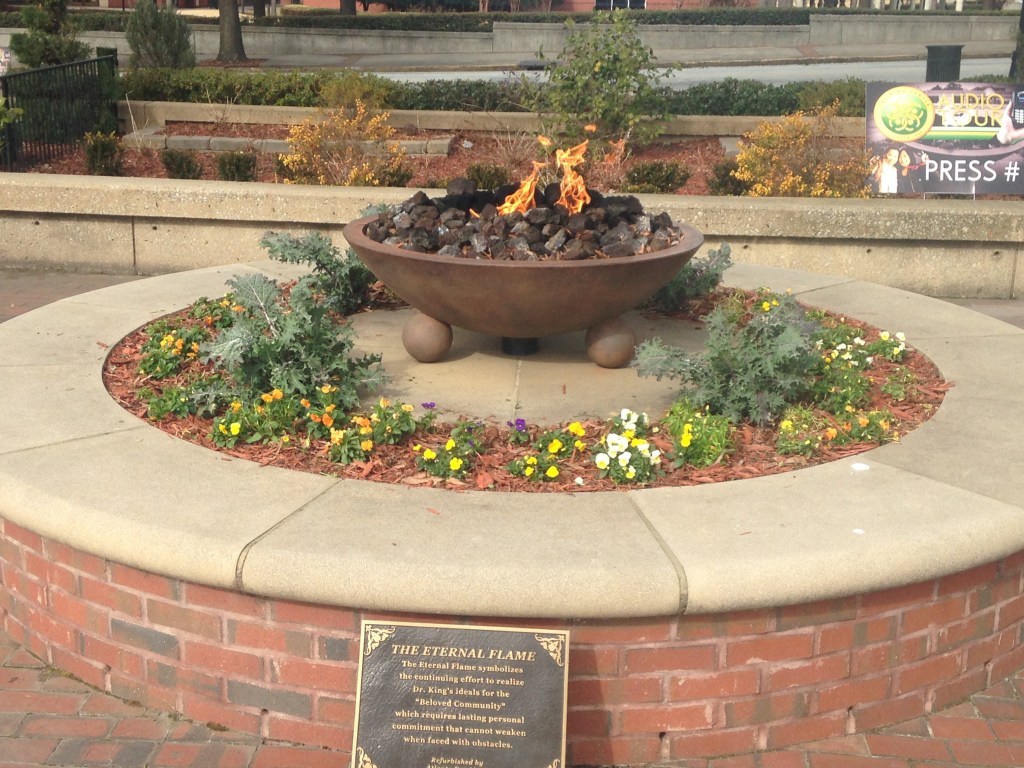
The beloved community which Dr King often spoke of and wrote about was a community based on love of God and love of neighbor. The beloved community was what Jesus taught about when he talked about the Kingdom of God and its upside down economy of grace and mercy. The beloved community is what the Prophet Micah was describing when he said that God’s people are called to do justice, love kindness, and walk humbly with God.
Are there tables that need to be overturned in our own hearts and our own systems of belief, dear reader? Is Jesus challenging us to make a course correction and follow him instead of the ways of the empire? I don’t know about you, but Jesus has given me a lot to think about as I look to my own life, actions, and walk.
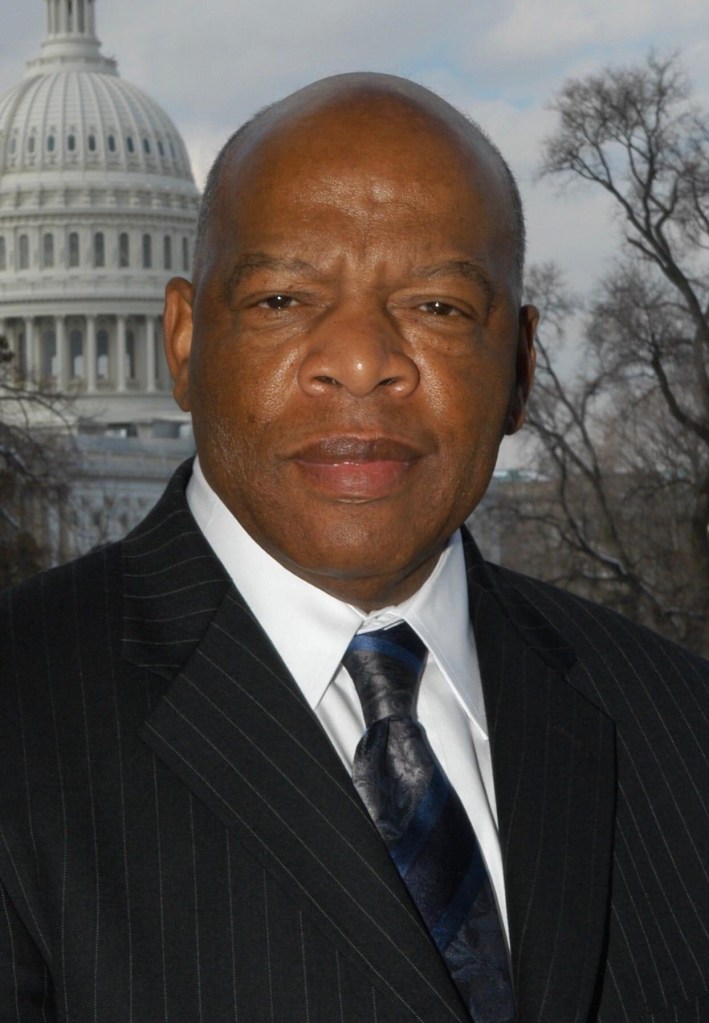
“Well, I believe in the philosophy and discipline of nonviolence. I accepted it not simply as a technique or as a tactic, but as a way of life, a way of living. You have to arrive at the point as believers in the Christian faith that in every human being there is a spark of divinity. Every human personality is something sacred, something special. We don’t have a right as another person, or as a nation, to destroy that spark of divinity, that spark of humanity, that is made and created in the image of God.” — John Lewis

“‘Ubuntu’ is very difficult to render into a Western language. . . . It is to say, ‘My humanity is caught up, it is inextricably bound up, in yours.’”—Desmond Tutu

The sun has set and the Vesper Lights flicker and glow
It’s been a good day for ministry
A lovely evening midweek worship service
It has also been a day with so many people on my heart
You know the needs, Lord
You hear our groans too deep for words
Invited to simply Be Still
I come before you now, Lord hear my prayer
Now as my eyelids grow heavy
I lift this humble prayer to you
Dona Nobis Pacem
Grant Us Peace
A wee prayer from the heart of your Padre…
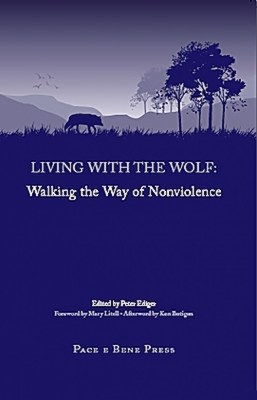
“Nonviolent transformation requires of us the spiritual discipline of mindfulness, of attending all of experience and embracing the seeming opposites—death and life, sorrow and joy. . . . I believe that this kind of steady attention has a cumulative effect on our consciousness.”—Mary Litell, “The Transforming Power of Consciousness,” Living with the Wolf
The wisdom of using fewer words filled with more meaning. Good words from Ronnie!
— Read on ronniemcbrayer.org/2021/03/03/the-best-word/

The sun has set and the Vesper Lights flicker and glow
A day of fun and excitement
An early trip to the office tripped the alarm
The officer who responded and I got a good chuckle out of it
So did our Buildings and Grounds chair
It was a day of meetings and ministry
It was a time for delightful visits over the phone
After a lovely dinner to have time to relax
Spending the evening relaxing with my sweetheart
Thank you for the blessings of this day, Lord
Now as my eyelids grow heavy
I lift this humble prayer to you
Dona Nobis Pacem
Grant Us Peace
A wee prayer from the heart of your Padre…

