
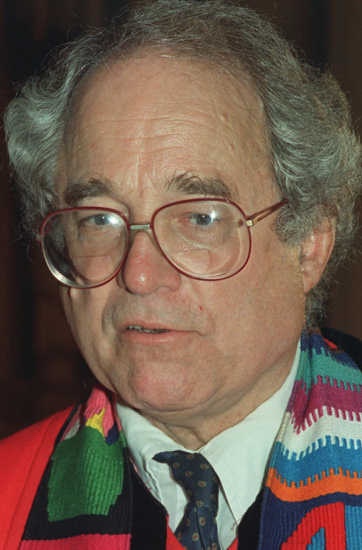
I think we can say that democracy is a form of government that demands more virtue of its citizens than any form of government, but I do not think we can say that democracy guarantees that the virtue will be exercised. So let us term freedom of choice less a virtue than a necessity, a precondition to real freedom, which is the ability to make choices that are generous, loving, and wise. Our wills are not free when they will what is bigoted, narrow, ungenerous. Our wills are only free when they can will the will of a loving God. “Thy will be done on earth.” — William Sloane Coffin (Credo, p. 81)
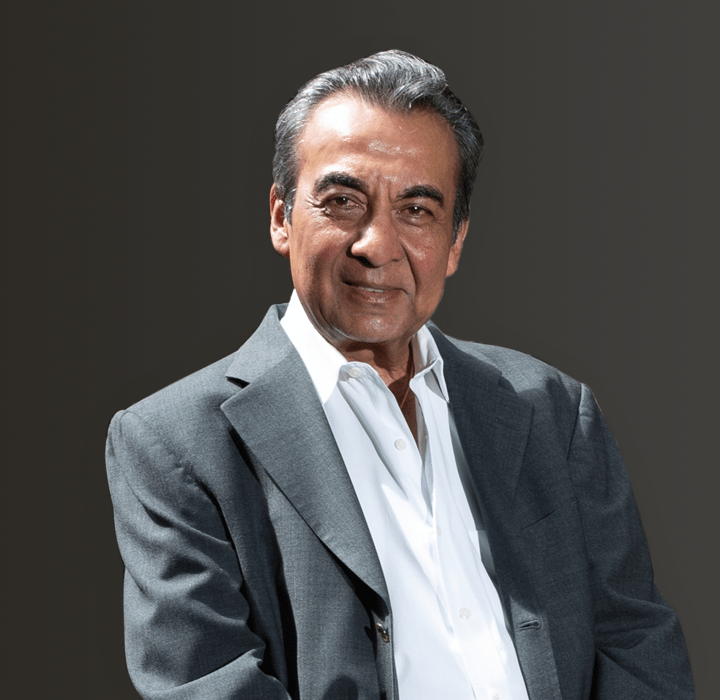
“The only way we can save our fragile planet and humanity is to shift our consciousness (belief structure) from revenge to forgiveness, from punishment to restoration, from abuse to conservation, from violence to compassion, from wars to peace, from separation to unity, from judgment to empathy, from hate to love.”—Azim Khamisa, Peace and Purpose Newsletter
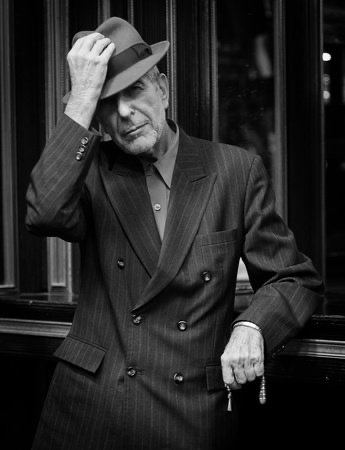
This world is full of conflicts and full of things that cannot be reconciled. But there are moments when we can… reconcile and embrace the whole mess, and that’s what I mean by ‘Hallelujah.’ — Leonard Cohen (source)

“Nonviolence is not appeasement, accommodation, avoidance, or attack. It is, instead, a force for goodness, truth, and justice. A power driven to build a world where everyone counts, where everyone can make amends, where everyone is included, where everyone is safe.”—Ken Butigan, October 28, 2023
Almighty, eternal, just and merciful God, . . . inwardly cleansed, interiorly enlightened, and inflamed by the power of the Holy Spirit, may we be able to follow in the footprints of Your beloved Son, our Lord Jesus Christ. —Saint Francis of Assisi
Verse of the day
The thought of my affliction and my homelessness is wormwood and gall! My soul continually thinks of it and is bowed down within me.
– Lamentations 3:19-20
Voice of the day
We forget the necessity of lament over suffering and pain. Absence doesn’t make the heart grow fonder. Absence makes the heart forget. The absence of lament in the liturgy of the American church results in the loss of memory.
– Soong-Chan Rah, “The American Church’s Absence of Lament”
Prayer of the day
Help us remember the need for lament, that in grieving we may find your healing and presence in our pain.
One thing is clear to me: the temptation of power is greatest when intimacy is a threat. Much Christian leadership is exercised by people who do not know how to develop healthy, intimate relationships and have opted for power and control instead. Many Christian empire-builders have been people unable to give and receive love.

A powerful reflection from my seminary classmate, colleague, and friend Shirley Hobson Duncanson
“In the time of King Herod, after Jesus was born in Bethlehem of Judea, Magi from the east came to Jerusalem, asking, “Where is the child who has …
After the Magi’s Visit – Cruelty Arrives
I do not think of myself as your teacher. I think of myself as a friend who has made a very long journey and has learned something so important that he does not want to keep it for himself. I have come to a place in my life where these obvious and beautiful differences among us seem small in the context of the unity that binds us all together. The unity of life among us is even deeper and stronger than the diversity between us.
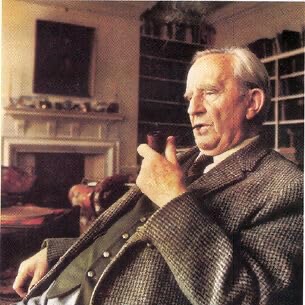
Words of wisdom for contemplation as we begin the New Year…
If more of us valued food and cheer and song above hoarded gold, it would be a merrier world. — Thorin Oakenshield (from The Hobbit by J.R.R. Tolkien)
 Pastor Michael Moore's Blog