

“Justice and power must be brought together, so that whatever is just may be powerful and whatever is powerful may be just.”—Blaise Pascal

These words from Thomas Merton are from an article he wrote for Fellowship of Reconciliation’s pamphlet dated May, 1967. They are as relevant today as they were when he first wrote them. In a world of increasing divisiveness and violence, we need to hear these prophetic words and follow them.
Christian nonviolence is not built on a presupposed division, but on the basic unity of humankind. It is not out for the conversion of the wicked to the ideas of the good, but for healing and reconciliation… Nonviolence must be aimed above all at the transformation of the present state of the world, and it must therefore be free from all occult, unconscious connivance with an unjust use of power. This poses enormous problems—for if nonviolence is too political it becomes drawn into the power struggle and identified with one side or another in that struggle, while if it is totally a-political it runs the risk of being ineffective or at best merely symbolic.
We have much to do, dear reader, if we are to truly be the instruments of peace God through the voice of Saint Francis of Assisi calls us to be. The question for the church is this—is the church willing to divest itself from divisiveness and fear-mongering? Are those of us who call ourselves Christ-followers willing to take the necessary steps? Will our work be merely symbolic or will it be meaning-filled… Spirit give us strength and lead us in that path.

I was beginning to feel discouraged the other day. Oh there’s plenty of good news. Loads of compassionate people devote themselves to making this world a better place for everybody.
Still, I can’t help but see the persistent violence, hatred, want, and misery. It weighs on me. Maybe you can relate.
Jesus taught us to walk the way of love. He warned that this way would be hard, but promised that it would change the world. I’m all in. And yet I found myself wondering, “Are we really making a difference with all this love stuff?” read further in Jake’s blog (link below) or in his book, Looking for God in Messy Places
What I learned from a Concentration Camp survivor.
How to Make a Difference
The sun has set and the Vesper Lights flicker and glow
It has been a long day, Lord
Vacation Bible School was a blessing
Afterwards, a lovely lunch with my sweetheart
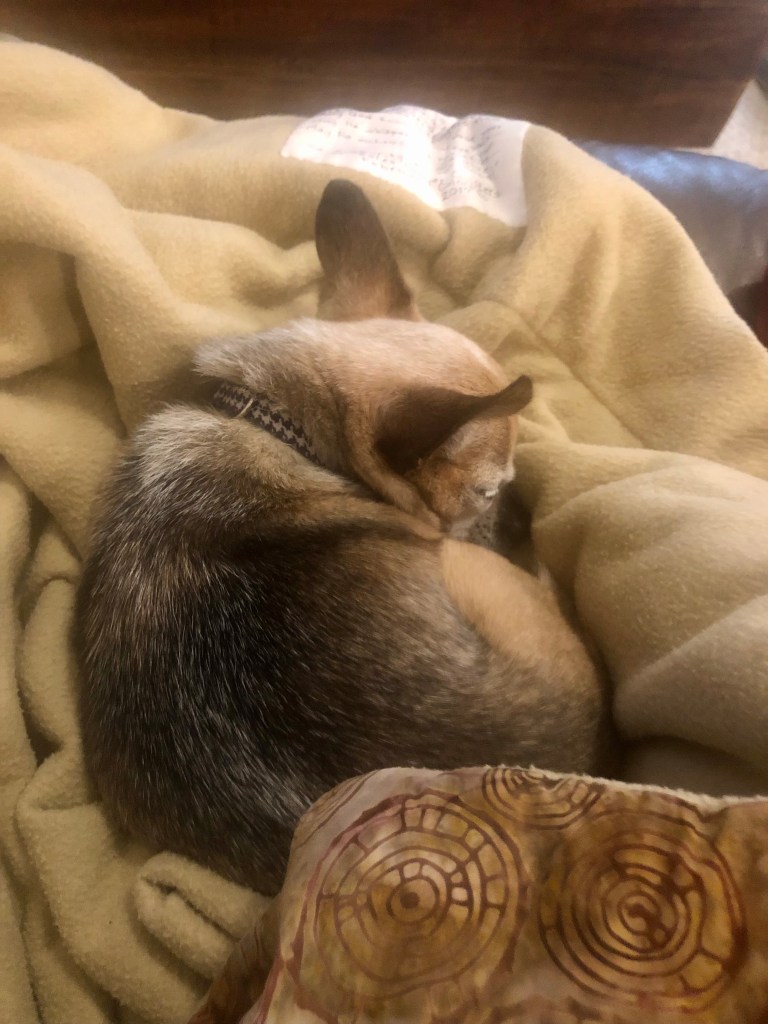
A wee health scare with our sweet puppy yet all is well
Thank you for the good people at Carroll County Animal Hospital on Oak Mountain Road
Their love and care for all of us was such a blessing
Now as my eyelids grow heavy
I lift this humble prayer to you
Dona Nobis Pacem
Grant Us Peace
A wee prayer from the heart of your Padre…
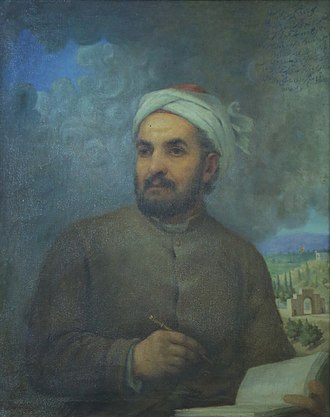
“I have come into this world to see this: the swords drop from men’s hands even at the height of their arc of rage because we have finally realized there is just one flesh we can wound.”—Hafiz (image and quote courtesy of Pace e Bene)

From today’s church bulletin and my message… family can be diverse and sometimes messy. However, at the end of the day, aren’t we called to love?
We are made for goodness. We are made for love. We are made for friendliness. We are made for togetherness. We are made for all of the beautiful things that you and I know. We are made to tell the world that there are no outsiders. All are welcome: black, white, red, yellow, rich, poor, educated, not educated, male, female, gay, straight, all, all, all. We all belong to this family, this human family, God’s family. – Desmond Tutu
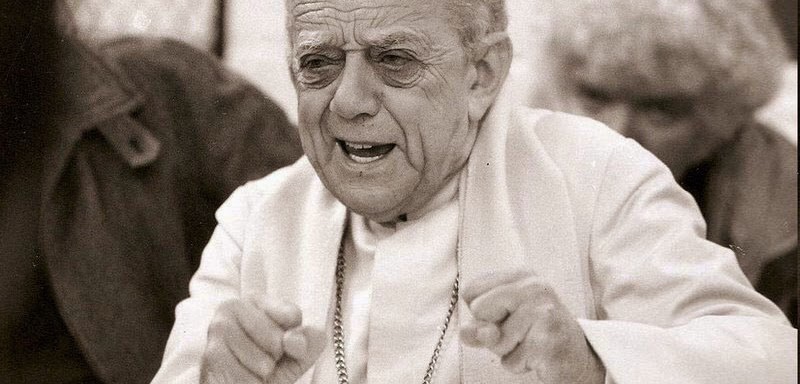
“When shall we have the courage to outgrow the charity mentality and see that at the bottom of all relations between rich and poor there is the problem of justice?”—Dom Helder Camara

Excellent blog from Jake Owensby
Christians were redefining family long before there was such a thing as marriage equality and Pride Month. Well, strictly speaking, Jesus himself revealed the essence of family. What he said was strikingly simple. Love creates family…
Redefining Family

“In a very real sense, those who practice nonviolent resistance must commit themselves not to the defense of their own interests or even those of a particular group: they must commit themselves to the defense of objective truth and right above all of human beings.”—Thomas Merton
Article dedicated by Merton to Joan Baez, was first published as an Fellowship of Reconciliation (FOR) pamphlet. (Fellowship 33 [May 1967], 18-22)

“We have an historic opportunity for a great global healing and renewal. If we will accept the challenge of nonviolent activism with faith, courage and determination, we can bring this great vision of a world united in peace and harmony from a distant ideal into glowing reality.”—Coretta Scott King (image and quote courtesy of Pace e Bene)

