
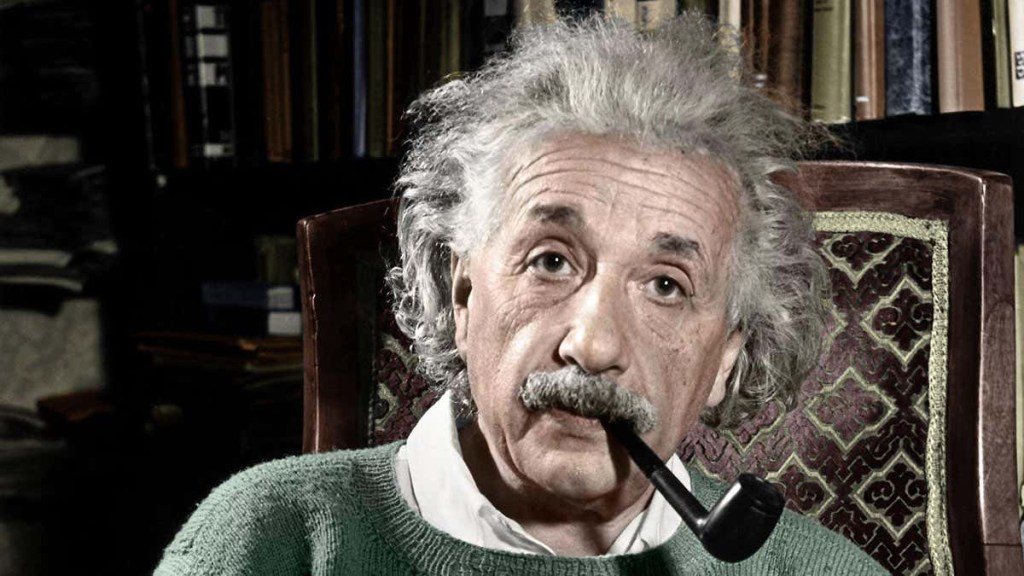
“Peace cannot be kept by force. It can only be achieved by understanding.”—Albert Einstein
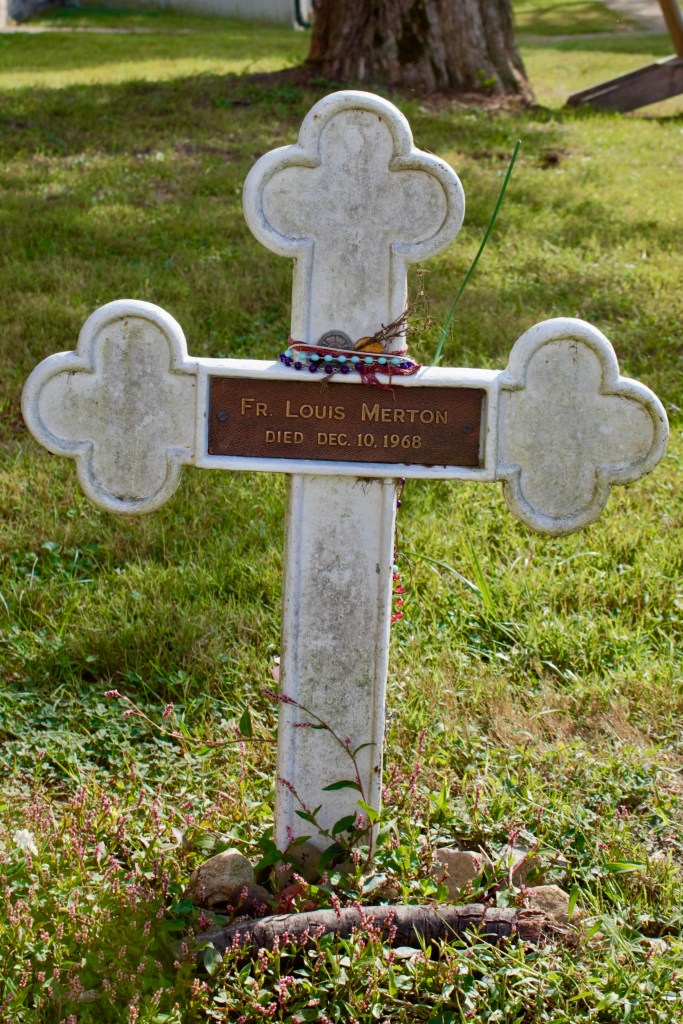
Fifty-five years ago, Thomas Merton died in Bangkok, Thailand. Ironically, his body was transported back to the United States on a military transport that was also carrying the bodies of young soldiers who had been killed in the Vietnam war, a war that he opposed.
Sadly, Merton’s prophetic writings on peace continue to be relevant today. He said the following in his book New Seeds of Contemplation and later in an article published in “The Catholic Worker”: At the root of all war is fear: not so much the fear men have of one another as the fear they have of everything. It is not merely that they do not trust one another; they do not even trust themselves. … It is not only our hatred of others that is dangerous but also and above all our hatred of ourselves: particularly that hatred of ourselves which is too deep and too powerful to be consciously faced. For it is this which makes us see our own evil in others and unable to see it in ourselves.
In a world where weapons are picked up far too quickly and where life seems to be of little value (especially the lives of the so-called “other” or “enemy”) and the euphemism “collateral damage” is used to sanitize what is actually the killing of innocent people in war, we must begin to think and act differently.
These words of Merton from No Man Is an Island speak to what we must do if we are to make a difference in this world: Man is divided against himself and against God by his own selfishness, which divides himself against his brother. This division cannot be healed by a love that places itself only on one side of the rift. Love must reach over to both sides and draw them together. We cannot love ourselves unless we love others, and we cannot love others unless we love ourselves. This truth never becomes clear as long as we assume that each one of us, individually, is the center of the universe. We do not exist for ourselves alone, and it is only when we are fully convinced of this fact that we begin to love ourselves properly and thus also love others.
As I reflect on Thomas Merton’s life which ended far too soon and on the impact that he continues to have 55 years after his death, I invite you, dear reader, to consider how we can be God’s light of peace and love shining out in the darkness of this world. As the Gospel of John says, The light shines in the darkness and the darkness has not overcome it. John 1:5 RSV May we be that light in all that we do and say.

In Advent we celebrate the coming and indeed the presence of Christ in our world. We witness to His presence even in the midst of all its inscrutable problems and tragedies. Our Advent faith is not an escape from the world to a misty realm of slogans and comforts which declare our problems to be unreal, our tragedies inexistent. — Thomas Merton in Seasons of Celebration

“Most people are mirrors, reflecting the moods and emotions of the times, few are windows, bringing light to bear on the dark corners where troubles fester. The whole purpose of education is to turn mirrors into windows.”—Sydney J. Harris

We are obliged to love one another. We are not strictly bound to ‘like’ one another. Love governs the will: ‘liking’ is a matter of sense and sensibility. Nevertheless, if we really love others it will not be too hard to like them also. If we wait for some people to become agreeable or attractive before we begin to love them, we will never begin. — Thomas Merton (No Man Is an Island, pp. 178-179)
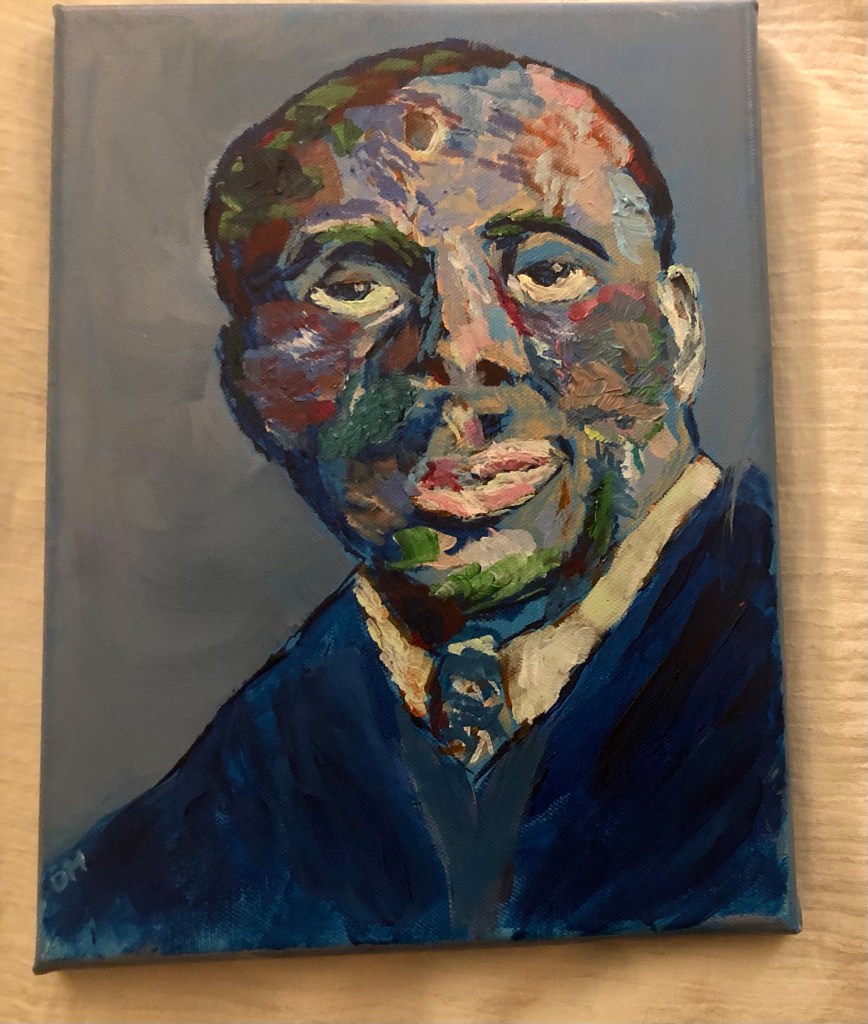
May the sounds of Advent stir a longing in your people, O God. Come again to set us free from the dullness of routine and the poverty of our imaginations. Break the patterns which bind us to small commitments and to the stale answers we have given to questions of no importance. Let the Advent trumpet blow, let the walls of our defenses crumble, and make a place in our lives for the freshness of your love, well-lived in the Spirit, and still given to all who know their need and dare receive it. Amen” (The Mood of Christmas).

“Inequality is so entrenched in our global society that it can start to feel natural that billions of people don’t have access to quality health care. It’s not natural, it’s morally wrong, and it must be fixed. Childhood is often a death sentence for lack of blood banks, or that treatable illnesses, like diarrhea, kill thousands of children every day is an emergency on a global scale.”—Partners in Health
Verse of the day
He has brought down the powerful from their thrones and lifted up the lowly; he has filled the hungry with good things and sent the rich away empty.
– Luke 1:52-53
Voice of the day
The truth is powerful and will prevail.
– Sojourner Truth
Prayer of the day
Our spirits rejoice in your truth, God our Savior. May your will be done on earth, and may we participate in its coming.

“Be realistic and do the impossible, because if we don’t do the impossible, we face the unthinkable.”—Murray Bookchin

“I dream of giving birth to a child who will ask, ‘Mother, what was war?’”—Eve Merriam, poet & writer (1916-1992)
 Pastor Michael Moore's Blog