

“Don’t ask yourself what the world needs.
Ask yourself what makes you come alive, and then go do that.
Because what the world needs is people that have come alive.”
—Howard Thurman

“The most common way people give up their power is by thinking they don’t have any.”—Alice Walker

“To develop the drop of compassion in our own heart is the only effective spiritual response to hatred and violence.”—Thich Nhat Hanh
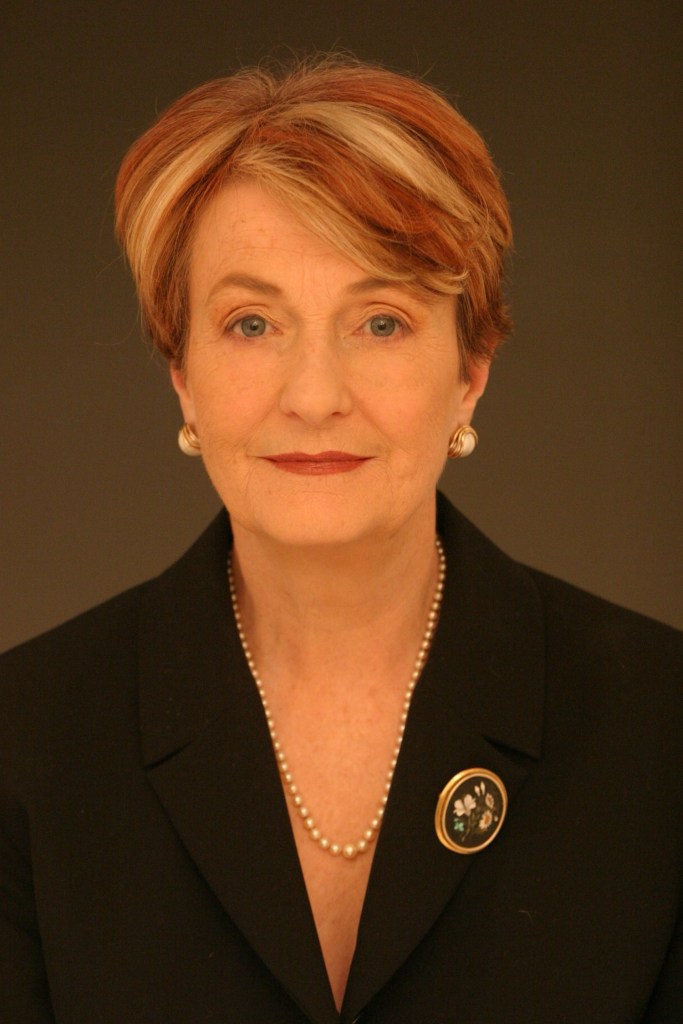
“I believe the secret of happiness is a) serving our fellow human beings and loving and caring for everyone. . . I mean deep caring for each other. b) to understand our own psychology in a profound way, so we can be a more constructive human being; and c) to care for this incredible planet of ours.”—Dr. Helen Caldicott
On Friday, December 25, 1863, Longfellow—as a 57-year-old widowed father of six children, the oldest of which had been nearly paralyzed as his country fought a war against itself—wrote a poem seeking to capture the dissonance in his own heart and the world he observes around him that Christmas Day
Christmas Bells – I heard the bells on Christmas Day
— Read on poets.org/poem/christmas-bells
And in despair I bowed my head;
“There is no peace on earth,” I said;
“For hate is strong,
And mocks the song
Of peace on earth, good-will to men!
— Read on pres-outlook.org/2023/12/loves-defiant-song/

“The idea of unlimited economic growth, more and more until everybody is saturated with wealth, needs to be seriously questioned on at least two counts: the availability of basic resources, and alternatively, or additionally, the capacity of the environment to cope with the degree of interference implied.”— EF Schumacher, small is beautiful

“When I’m not afraid to express who I am, I tend to be more grounded and trusting that I have a right to be here and say what I need to say. . . . What we all basically want is connection, meaning, to love and be loved, but there are so many barriers to truly expressing that need.”—Veronica Pelicaric
Verse of the day
They have treated the wound of my people carelessly, saying, “Peace, peace,” when there is no peace.
– Jeremiah 6:14
Voice of the day
Without justice and love, peace will always be a great illusion.
– Dom Hélder Câmara
Prayer of the day
Remind us, God, that we cannot ask for peace without embodying and forging peace ourselves.
Verse of the day
The light shines in the darkness, and the darkness did not overtake it.
– John 1:5
Voice of the day
Advent is a journey towards Bethlehem. May we let ourselves be drawn by the light of God made man.
– Pope Francis
Prayer of the day
May we follow your light, Jesus. Teach us to be light in times of darkness.
 Pastor Michael Moore's Blog