
To know ourselves truly and acknowledge fully our own unique journey, we need to be known and acknowledged by others for who we are. We cannot live a spiritual life in secrecy. We cannot find our way to true freedom in isolation. Silence without speaking is as dangerous as solitude without community. They belong together.
At first silence might only frighten us. In silence we start hearing voices of darkness: our jealousy and anger, our resentment and desire for revenge, our lust and greed, and our pain over losses, abuses, and rejections. These voices are often noisy and boisterous. They may even deafen us. Our most spontaneous reaction is to run away from them and return to our entertainment.
But if we have the discipline to stay put and not let these dark voices intimidate us, they will gradually lose their strength and recede into the background, creating space for the softer, gentler voices of the light.
These voices speak of peace, kindness, gentleness, goodness, joy, hope, forgiveness, and most of all, love. They might at first seem small and insignificant, and we may have a hard time trusting them. However, they are very persistent and they will be stronger if we keep listening. They come from a very deep place and from very far. They have been speaking to us since before we were born, and they reveal to us that there is no darkness in the One who sent us into the world, only light. They are part of God’s voice calling us from all eternity: “My beloved child, my favorite one, my joy.”

“Whatever may be the tensions and the stresses of a particular day, there is always lurking close at hand the trailing beauty of forgotten joy or unremembered peace.”—Howard Thurman, Meditations of the Heart

After a morning spent dodging raindrops (a slight understatement) on Granville Island, Denise and I retreated to our hotel to warm up and enjoy a drink while reading. I discovered this book yesterday and bought it (on Kindle) last night.
As we continue to process what happened in the United States last week, Fr. Berrigan seemed to be the perfect writer/prophet/poet to spend some time with.
We met some protesters last night on the way to dinner and had a great conversation with one woman in particular. They were protesting the lack of transparency that surrounds the city decision to remove 20,000 – 30,000 trees from Stanley Park. The trees are dead thanks to a hemlock hooper moth infestation that has killed a lot of trees in the park. She asked where we were from and when we said the United States, she offered her support and encouragement in the same way that we offered her ours.
So as we spend time in my late Mother’s hometown, we continue the process of rest, reflection, and seeking our way forward in the mess that continues to rise following the elections and will only get worse in the US. For me it is something as basic as how to respond as a retired military chaplain and pastor. In both my writing and my preaching, there is so much to address. These words from Fr Berrigan make sense to me in this reflection:
What we are living through in the United States is so irrational and so incomprehensible to the majority of our people that one constantly has the sense of being in the middle of a nightmare which has no termination and no inner coherence.
~~
One cannot level one’s moral lance at every evil in the universe. There are just too many of them. But you can do something and the difference between doing something and doing nothing is everything. (The Trouble With Our State, p. 11)
Daniel Berrigan died on April 30, 2016. He had spent his whole life as a priest working for peace, justice, and equal rights for all of God’s children. He wasn’t afraid to speak as a prophet and spent a good bit of time in jail as a result of his work for peace. My hope and prayer is that he will teach me how to be such a voice and a presence in these disturbing times where the rights of so many are being squashed by the privileged elite.

I have become increasingly convinced that we need a worldwide paradigm shift in Christian consciousness for how we relate to God. Thomas Kuhn said that a paradigm shift becomes necessary when the previous paradigm becomes so full of holes and patchwork “fixes” that a complete overhaul—which once looked utterly threatening—now appears as a lifeline.
I believe we are at precisely such a moment when it comes to Christianity’s image of God.
A few weeks back a friend asked me, “When you speak of the need for a paradigm shift, what is the primary shift that you are talking about?” Admittedly, there was much I could have offered, but I shared that the most significant shift in our view of God is the move beyond the reward/punishment paradigm.
In my first years of preaching in the 1970s, I often told a Sufi-inspired story called “The Angel with the Torch and the Pail.” The story goes like this:
An angel was walking down the streets of the world carrying a torch in one hand and a pail of water in the other. A person asked the angel, “What are you doing with that torch and pail?”
The angel said, “With the torch I am burning down the mansions of heaven, and with the pail I am putting out the fires of hell. Then, and only then, will we see who truly loves God.”
Operating with love as the source, not fear of punishment or even promise of reward, is a radically different Christian paradigm. To do this takes an experience of love from the Infinite One. Then you are free to love others and even to truly love yourself. The most loving people I have met across the world in my lifetime of teaching and travelling all seemed to know that if love is the goal, it must be love for everybody.
Thank you for being a partner in shifting the paradigm towards infinite love. The Center for Action and Contemplation is primarily funded by people like you who give freely and joyfully to support it. Everything we offer the world is made possible through your support and participation. We are deeply grateful for each and every one of you.
Peace and Every Good,

Richard Rohr, OFM
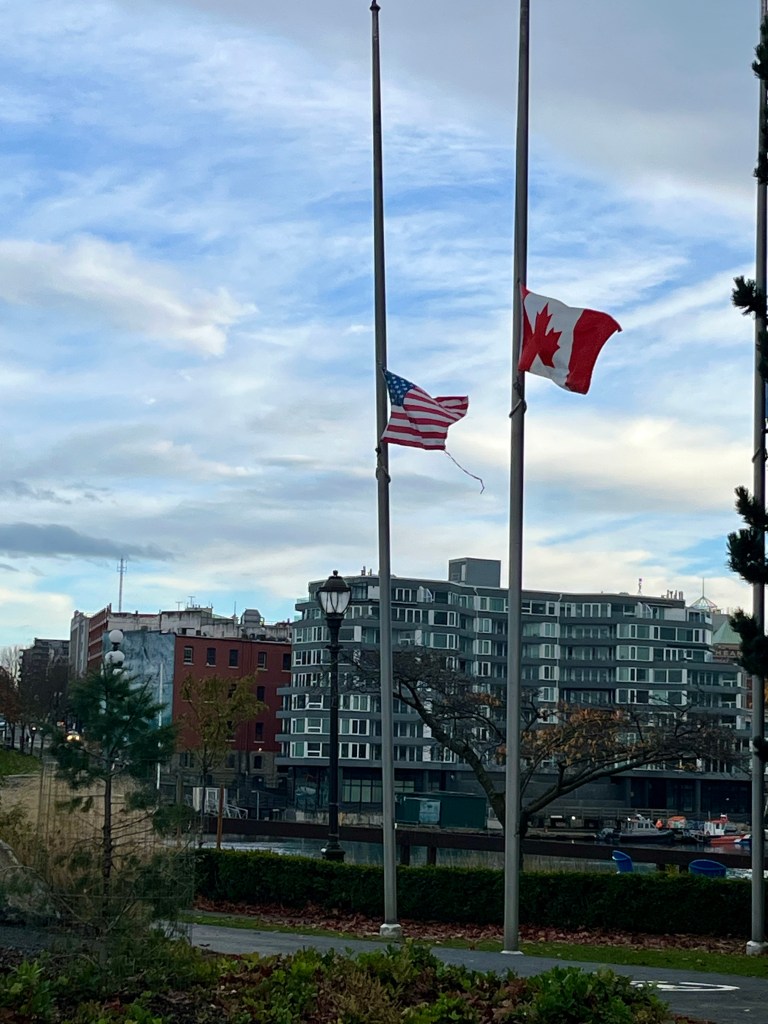
Today is Remembrance Day, an observance I was first introduced to during my first assignment in England. During that assignment and a subsequent assignment ten years later it was my honor to officiate at a number of Remembrance Sunday Services in local English churches. In England, November 11th was initially observed as Armistice Day in commemoration of the end of World War One. King George V requested two minutes of silence to be observed in acknowledgment of the war’s fatalities. When World War Two began, Armistice Day was not observed and in its place, a time of remembrance and worship was initiated on the second Sunday of November.
This year, Denise and I are in Victoria (the capital of British Columbia) and we attended a Remembrance Sunday service at Knox Presbyterian Church in Victoria. Before the service of the Lord’s day began, they marked the observance of Remembrance Sunday in worship. The following was the opening prayer of gathering:
God of justice and peace, we gather at this solemn time of year, aware of the costliness of human history. In the face of hostility between nations and neighbours, you have come to us in Jesus Christ, carrying no sword, calling us to serve as peace makers. In this time of worship, renew in us the hope that you will turn swords into ploughshares, and lead the world you love away from making war for pride or profit. By the power of your Spirit, renew your promise of peace with justice for all your peoples.
God of justice and mercy, we confess that the world around us is in a mess. Nations turn disputes over territory into acts of aggression. Old enemies stir up conflict with their rivals. Threats of violence keep us all on edge. We confess we have not learned from past
conflicts what leads to peace with justice among nations and neighbours. Forgive us and lead us in a better way. May it be so. Amen.
Given the state of the world and more specifically the United States of America, there is much to mourn. I found myself weeping during the service as I remembered not only the horrors of war, but the horrors that have been unleashed in the country and world. Hatred, Fear, Nativism, White Supremacy, Misogyny, christian nationalism, racism have been given free rein and are causing death and destruction at will.
While those whom we have met and talked to offer us profound sympathy over what we are experiencing, sadly they tell us that the same things are alive and well in Canada. This brings me back to Remembrance Sunday’s service and the gathering prayer. We confess that we have not learned from past conflicts what leads to peace and justice among nations and neighbours.
As we seek to live a life of nonviolence and peacemaking may God forgive us and lead us in a better way. May it be so. Amen.
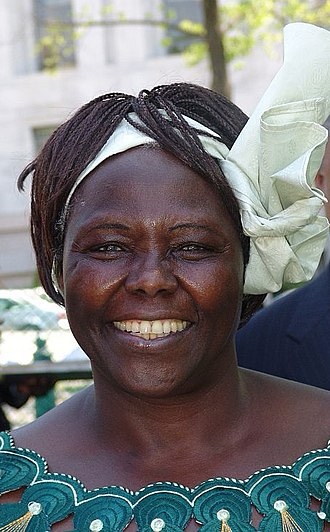
“In the course of history, there comes a time when humanity is called to shift to a new level of consciousness, to reach a higher moral ground. A time when we have to shed our fear and give hope to each other. That time is now.”—Wangari Maathai

As we approach Remembrance Sunday I am reposting this sonnet about the two minutes silence, which was first published in my book Sounding the Seasons…
Silence: a Sonnet for Remembrance Day
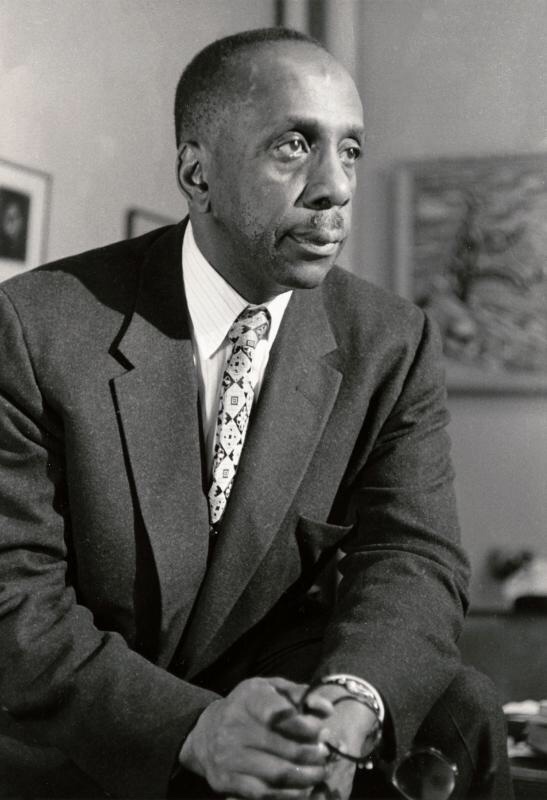
A brief quote from Thurman that speaks volumes:
It cannot be denied that too often the weight of the Christian movement has been on the side of the strong and the powerful and against the weak and oppressed—this, despite the gospel. — Jesus and the Disinherited, p. 31
“Hospitality to the stranger outside and within us means opening to possibilities beyond our own limited imagination.”
— Christine Valters Paintner, PhD, Monk in the World – An Online, Self-Study Retreat
When has your practice of hospitality opened you to possibilities beyond your imagination?
 Pastor Michael Moore's Blog