
“At the heart of mercy is a radical hospitality where the stranger is welcomed in with abundant care and compassion.”
— Christine Valters Paintner, PhD, The Wisdom of Mary and the Sacred Feminine – An Online Self-Study Retreat
How can you show abundant care and compassion for a stranger today? For yourself?

You can learn a lot by simply observing and hanging out with our four legged neighbors in the Rockies. Watching these majestic creatures spar during rut is simply amazing. We have seen them spar as they were here at the YMCA of the Rockies (not your average YMCA!), on church property, on trails and in meadows around town, and so on.
These big boys will lock antlers (did you know that each antler can weigh up to 40 pounds?!) and tussle.

Their movements are slow and methodical. They aren’t trying to kill each other. They simply want to prove their strength and dominance as they gather their harems together.
After a while, the boys stop to catch their breath.
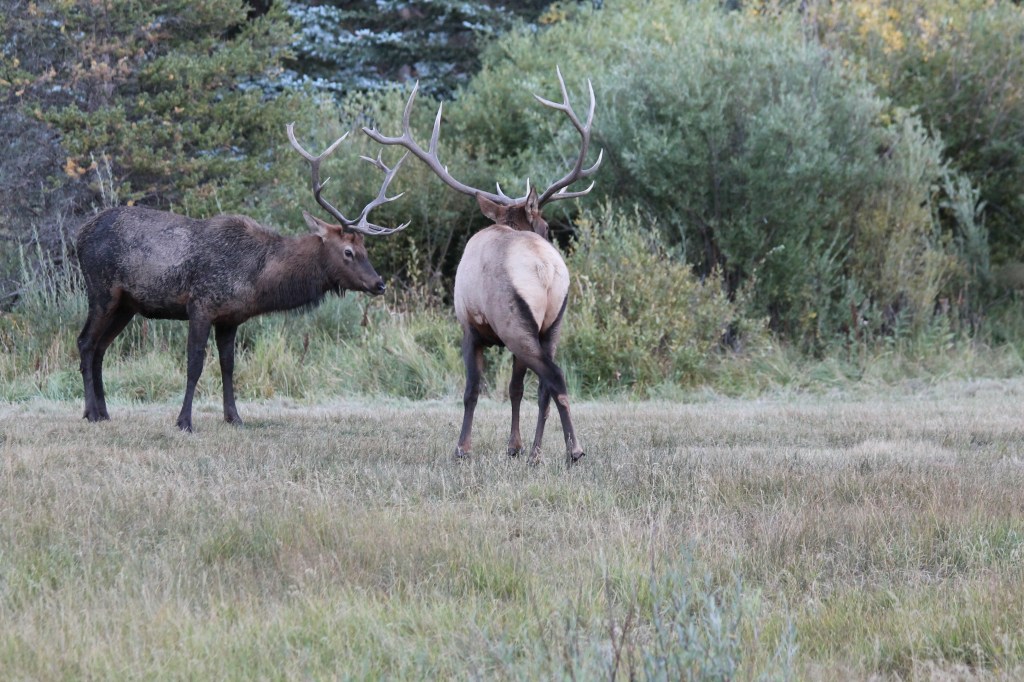
Then they may start up again for another round.

Eventually, they tire and retreat. Sometimes they retire near each other as exhaustion overpowers the hormones and desire to spar!


So what does this have to do with Love and Politics? First of all, the Bulls aren’t out to kill each other. They spar and then after rut is over they go back to hanging out together peaceably. I think it may have something to do with the Females saying , “We’ve had enough of your ruckus and you’ve done your business, now just go away!”
Can you imagine if politicians and campaigns did more than yell at each other? Can you imagine if they told people what their platforms and programs are about? Can you imagine if Congress actually reached across the aisles to work together for the well-being of the citizens they were elected to serve?
Wouldn’t that be a move towards love and a unified effort to make all citizens lives better? You know, that whole Matthew 25 thing? Feed the hungry, give water to the thirsty, clothe the naked, care for the sick, visit and care for the prisoners.
Some may say that I am idealistic. Some may say that I have lost my mind. Is this too much to ask? To beat swords into plowshares and spears into pruning hooks and no longer study war.
The more time I spend with Thomas Merton the more I find myself embracing his vision of a better world. The more I listen to his thoughts about injustice and war-mongering, the more he guides me in the paths of peace by the power of the Spirit.
In the book Superabundantly Alive: Thomas Merton’s Dance With the Feminine, co-author JS Porter said the following about Merton: Throughout the 60s… He is a political activist who writes on the key social issues of his time: race, technology, and war… love trumps politics and must be spoken first. (Location 287 on Kindle)
This is my hope and my heartfelt prayer for our nation and for our national and international leaders. From my lips to God’s ear, let us pray.
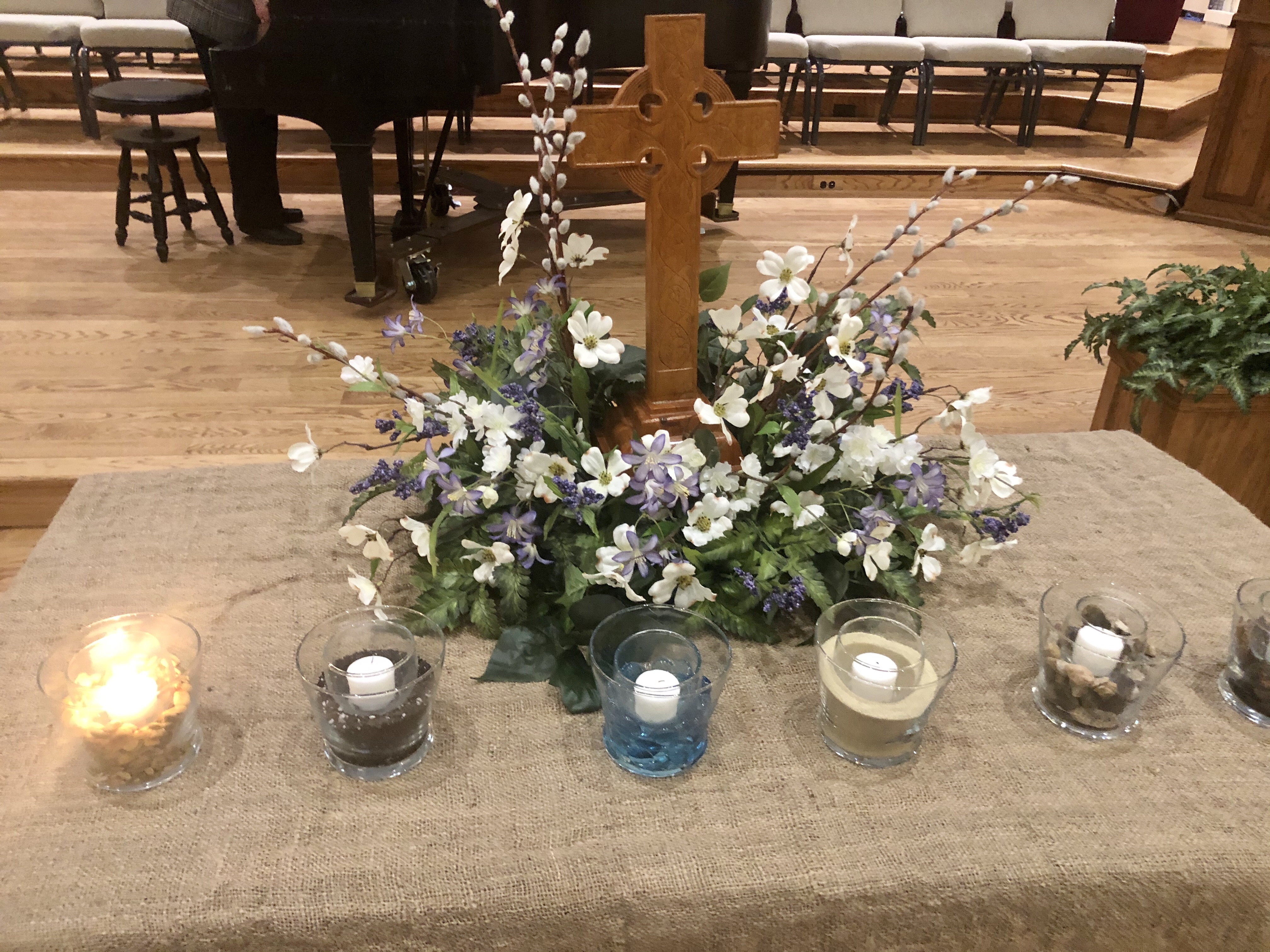

The sun has set and the Vesper Lights flicker and glow
Looking back longingly to warmer weather
Yet thankful for this day which the Lord has given us
Thankful for the opportunity to rest and recover
Thankful for an evening with good friends
For so many things I am thannfhk
Now as my eyelids grow heavy
I lift this humble prayer to you
Dona Nobis Pacem
Grant Us Peace
A wee prayer from the heart of your Padre…
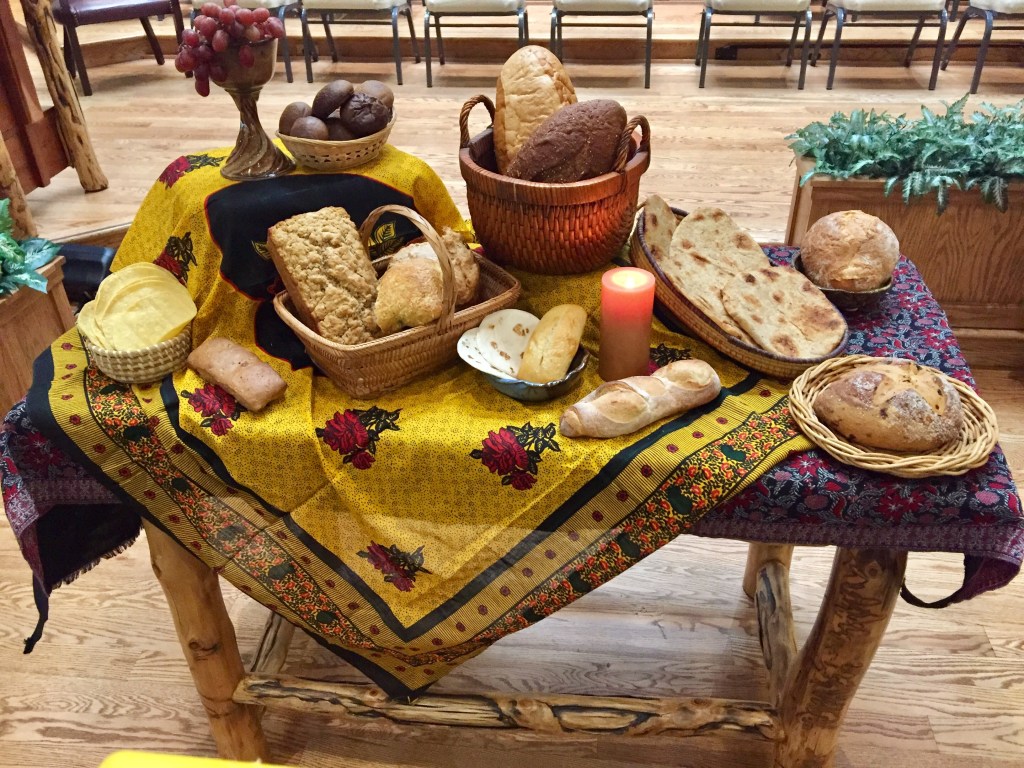
Depending upon which church you belong two, there are Sacraments or Ordinances. Some have two Sacraments or Ordinances and others have seven Sacraments. Back in the days of the Reformation (1600’s in Europe) battle lines were drawn in the Protestant and Catholic fight over the number of Sacraments. These battles were sometimes more than just words. Sometimes swords were drawn and people were killed. Surely God must have wept to see the people fight like this over something that is supposed to be holy and sacred.
Still today there are times that words are exchanged over differences in the understanding of Sacraments. In the Chaplain Service we managed these differences under the banner of mutual respect and teamwork. If one Chaplain could not serve communion or baptize an infant, another member of the Chaplain team would step in and fill the need. There wasn’t any room for shaming anyone, we just did God’s work to the best of our abilities. At least that was my experience as a Chaplain and as a senior leader.
Today it seems like there is, for some, a lack of attention to the meaning of the Sacraments. Is Communion something you do on Sunday? Is it a ritual where you just go through the motions? Is it only on Maundy Thursday when the first Lord’s Supper is remembered that we may think about the Sacrament instead of going through the motions. This can happen among the clergy as well as among the parishioners.
Yet the Sacraments are truly holy moments when you can encounter the Divine. Many times as I have served Communion the very act and the words I say bring tears to my eyes. I truly feel God’s presence with us.
Thomas Merton had this to say about the Sacrament of Reconciliation (Confession): I ask that everywhere this Sacrament may be administered and received in truth and justice and prudence and mercy and sorrow, and that priests and penitents may better know what they are doing and that they be filled with a great love and reverence for what they do. (Volume II of his journals, March 18 and 21, 1950).
I believe that he would also say the same about the rest of the Sacraments for either Roman Catholics or Protestants. The next time you come to the table remember that Justice, Love, and Mercy saturate the sacred moment. I also promise as a Pastor to do the same as I serve the Congregation and speak the words of the Communion Order. If we do this, perhaps we will leave the sanctuary transformed, ready to be instruments of God’s Love, Justice, Mercy, and Peace.
“Everything in creation becomes a catalyst for my deepened self-understanding. The forest asks me to embrace my truth once again. The hummingbird invites me to sip holy nectar, the egret to stretch out my wings, the sparrows to remember my flock. Each pine cone contains an epiphany; each smooth stone offers a revelation. I watch and witness as the sun slowly makes her long arc across the sky and discover my own rising and falling. The moon will sing of quiet miracles, like those that reveal and conceal the world every day right before our eyes.”
— Christine Valters Paintner, PhD, Earth, Our Original Monastery: Cultivating Wonder and Gratitude through Intimacy with NatureWhich elements of nature mirror your true self back to you?
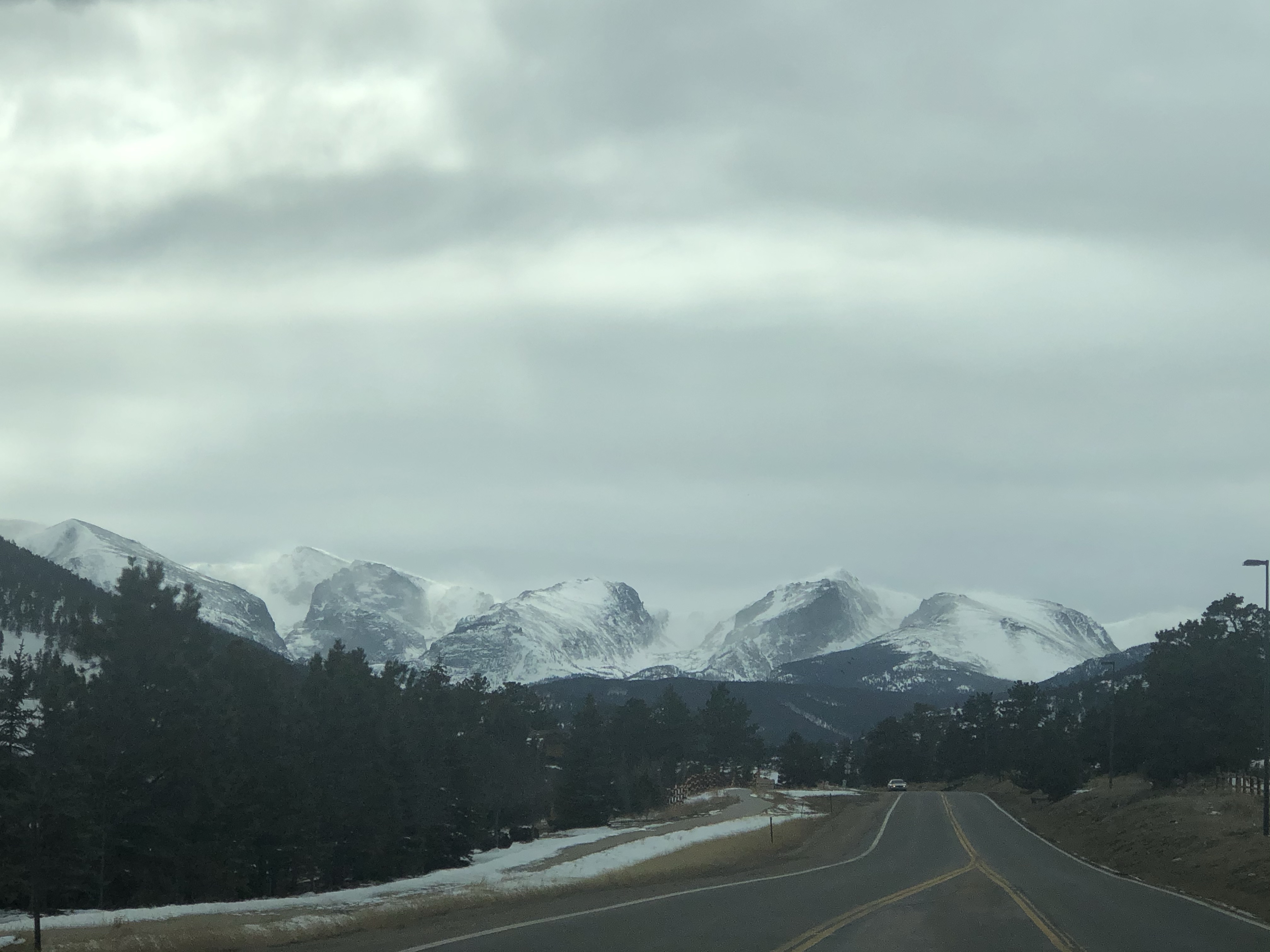
The sun has set and the Vesper Lights flicker and glow
After a long but productive day of ministry
After some time for reading and reflection
After some time of fellowship
This has been a wonderful day, Lord
Despite cold temperatures and blustery winds
The warmth of today was a blessing
Now as my eyelids grow heavy I lift this humble prayer to you
Dona Nobis Pacem
Grant Us Peace
A wee prayer from the heart of your Padre…

Pilgrimage. How many times have I been on a Pilgrimage to holy places. One was my Mom’s ancestral home in Scotland. Another was to St Giles Cathedral in Edinburgh where I stood in the pulpit where John Knox preached during the Scottish Reformation. I also visited numerous holy places in Oxford where scholars like J. R. R. Tolkien and C. S. Lewis taught and wrote.
This pilgrimage includes so many places in the US. The spot in Mobile, Alabama where Michael Donald was lynched (and the court case ultimately bankrupted the United Klans of America). The National Memorial for Peace and Justice and Legacy Museum in Montgomery, Alabama where the story of racism, lynching, and mass incarceration are memorialized and where I was challenged as a White Male with privilege to go deep within and confront White privilege and my own complicity in the system which perpetuates racism.
Pilgrimage means so much to each person who is willing to look within and listen to the voice of God (even when it is very uncomfortable). There is also another perspective on pilgrimage which Thomas Merton and his Celtic monastic ancestors spoke about.
The object of pilgrimage is to take the monk to his peculiar and appointed place on the face of the earth, a place not determined by nature, race, and society, but by the free choice of God. Here he was to live, praise God and finally die. His body is buried in this spot, and would there await the Resurrection. The pilgrimage of the Celtic monk was not then just endless and aimless wandering for its own sake. It was a journey to a mysterious, unknown, but divinely appointed place, which was to be the place of the monk’s ultimate meeting with God.
— Mystics and Zen Masters “From Pilgrimage to Crusade (p. 96) and Thomas Merton’s Gethsemane: Landscapes of Paradise (p. 1)
As someone who has wandered all over the world, at times I long to make my way to that sacred space. For so many years I have wandered… for so many years I have not felt the Benedictine understanding of Stability.

The sun has set and the Vesper Lights flicker and glow
It was a good Lord’s day of worhsip
It is always good to gather around the Lord’s Table
A good afternoon walk with my sweetheart
A time of reading and reflecfion
A time to listen to a lecture by Thomas Merton
Now as my eyelids grow heavy
I lift this humble prayer to you
Dona Nobis Pacem
Grant Us Peace
A wee prayer from the heart of your Padre…

