
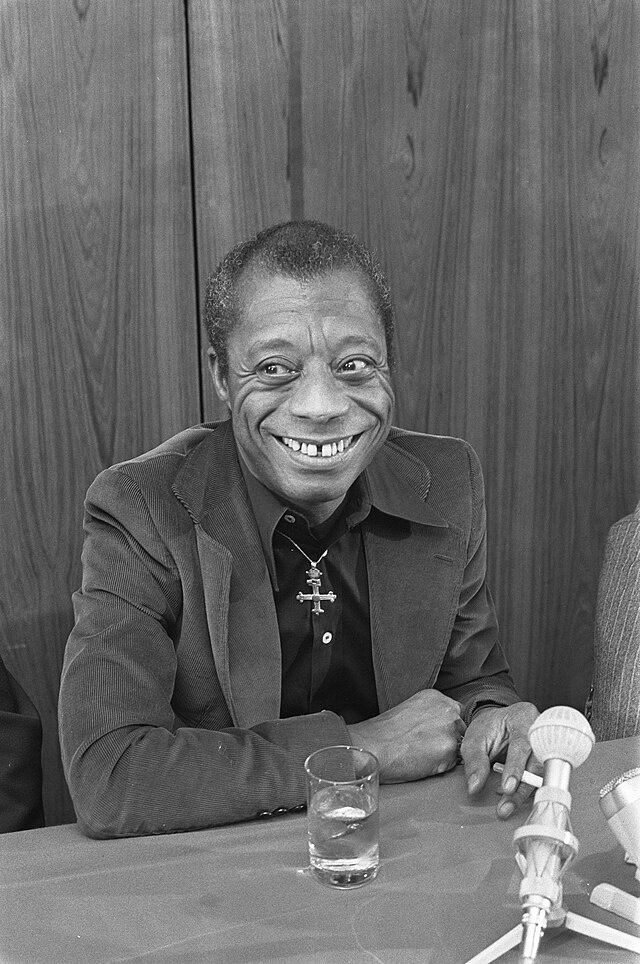
“You think your pain and your heartbreak are unprecedented in the history of the world, but then you read. It was Dostoevsky and Dickens who taught me that the things that tormented me most were the very things that connected me with all the people who were alive, or who had ever been alive. Only if we face these open wounds in ourselves can we understand them in other people. An artist is sort of an emotional or spiritual historian. His role is to make you realize the doom and glory of knowing who you are and what you are. He has to tell, because nobody else in the world can tell, what it is like to be alive.”—James Baldwin

So live your life that the fear of death can never enter your heart. Trouble no one about their religion; respect others in their view, and demand that they respect yours. Love your life, perfect your life, beautify all things in your life. Seek to make your life long and its purpose in the service of your people. ~ The Four Vision Quests of Jesus, p. 141

“There was a reversal of the situation: They had arrived seeing us as their enemies and it ended with a form of cooperation. We weren’t going to help them remove us, but we weren’t going to fight either, we weren’t going to hit them. Once they understood that, they set themselves the goal of not hurting us.”
—Jon Palais, interview Reporterre, (translated from the French by Nadia Mejjati.)

Contemporary American society is the reverse of traditional Native American culture. Whereas Native communities value the group, the dominant society values the individual. In fact, it considers rugged individualism to be a virtue. It looks up to the “self-made” success story. It honors the person who can acquire more than anyone else. It likes heroes who can go it alone and role models who make their own rules. It disparages collective action as a herd mentality and prefers individuals with the right to do as they choose. For millions of people, individuality has evolved into individualism: a cult of personality in which they are the personality. ~ Steven Charleston, We Survived the End of the World: Lessons from Native America on Apocalypse and Hope
If we are to be peacemakers, it is essential that we take on what I would like to call a mentality of abundance and put away from us the mentality of scarcity. This sense of scarcity makes us desperate, and we turn to competition, hoarding, and a kind of parody of self-preservation. This greed extends not only to material goods but also to knowledge, friendships, and ideas. We worry that everything we possess is threatened. This is especially true in a society that grows more affluent, experiences more opportunities for hoarding and more fears of losing what has been stored, and in the process creates enemies and war. ~ The Road to Peace

There are many ways of being a peacemaker. We need to experience our own humble task as part of the Body of Christ and encourage others to accept their task. Whatever it is we do, we need to feel sent by the community rather than working as isolated individuals. And we need to pray for one another, for our common life and for our common task. Such intercessory prayer is a basic to Christian community.
Verse of the day
If any of you is lacking in wisdom, ask God, who gives to all generously and ungrudgingly, and it will be given you.
– James 1:5
Voice of the day
When someone makes a decision, he is really diving into a strong current that will carry him to places he had never dreamed of when he first made the decision.
– Paulo Coelho, “The Alchemist” (1988)
Prayer of the day
God, through enduring wisdom, let what we discern be what you desire.
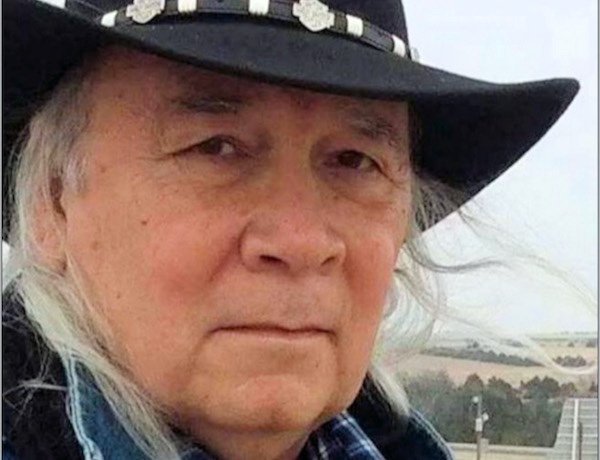
The historical irony is that European Christians coming to the Americas were escaping highly stratified and intolerant societies; in North America they encountered societies that were open and tolerant; but in response, these European immigrants simply duplicated the oppression they had known by practicing it on the Native People. — Steven Charleston, Coming Full Circle: Constructing Native Christian Theology
Verse of the day
He changes times and seasons, deposes kings and sets up kings; he gives wisdom to the wise and knowledge to those who have understanding.
– Daniel 2:21
Voice of the day
To understand one moment is to see the possibility of being the cocreator of another. History permits us to be responsible: not for everything, but for something.
– Timothy D. Snyder, “On Tyranny: Twenty Lessons from the Twentieth Century” (2017)
Prayer of the day
God of every age, may our minds be molded through remembrance, and may our actions in turn be accompanied by meaningful change.

“Whatever threshold you stand on right now, nurture your awareness of how the sacred is more available in these moments, more clearly heard or seen. Keep alert for signs of how the divine is moving through your days.”
—Christine Valters Paintner, PhD, Give Me a Word: The Promise of an Ancient Practice to Guide Your Year
What thresholds spaces are you in right now? Where do you notice the divine moving through your day?
To register for the upcoming companion Advent retreat, click here.
 Pastor Michael Moore's Blog