

When we all reach that perfection of love which is the contemplation of God in His glory, our inalienable personalities, while remaining eternally distinct, will nevertheless combine into One so that each one of us will find himself in all the others, and God will be the life and reality of all. “Omnia in omnibus Deus” (So that God may be all in all—1 Corinthians 15:28 in Latin). (Thomas Merton in New Seeds of Contemplation, p. 72)
In the vernacular of my parent’s time… what the world needs now is love sweet love — Dionne Warwick — What the World Needs Now (1966)
And in the vernacular of my generation — John Lennon – Imagine
May we all seek to be the love which we are called to be… especially to love our enemies…

“Our world desperately needs to see spirituality in action: where lines dividing the individual from the collective, the personal from the public, and the spiritual from the political continue to fall away. I am inspired by those who continue to push the boundaries of how spirituality can move action for social transformation.”—Chaya Go
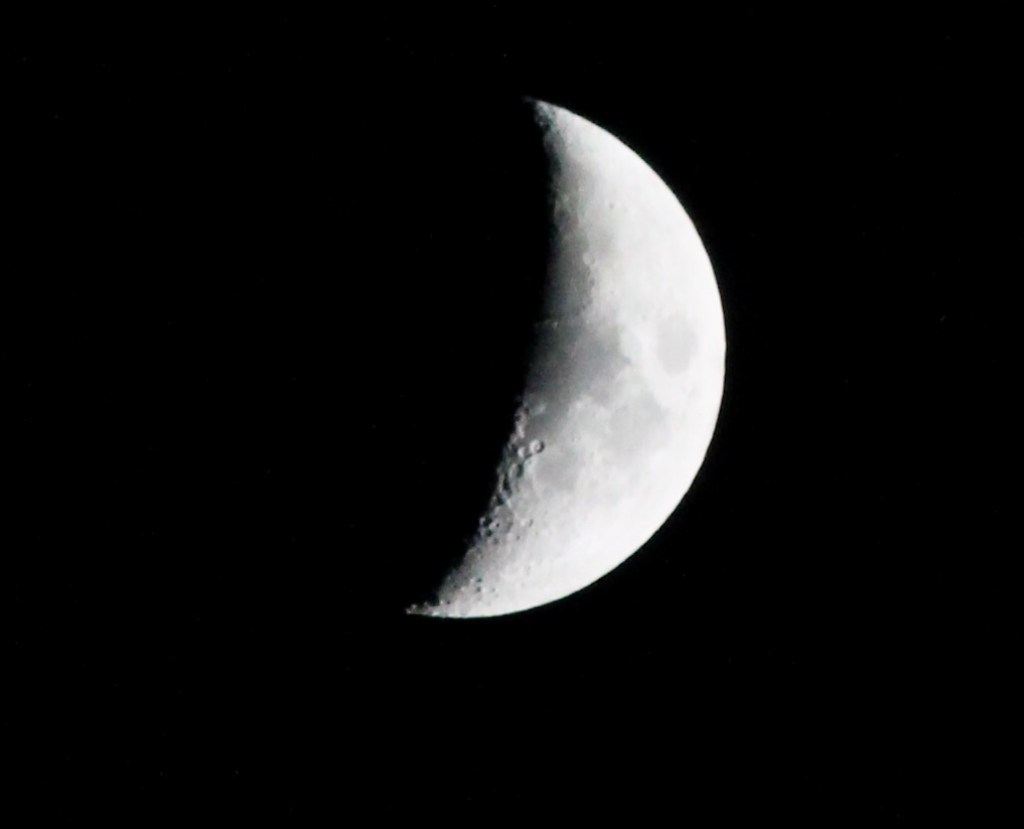
So “Captain Kirk” is flying into space… a flight only possible for the wealthy or those who have connections. I often wonder what our Creator must think of our silliness (yes, in the most silly of Monty Python ways). However, I digress… as I watch Sister Moon make her way across the night sky, my heart is happy. I have watched her make this journey all around the world. Tonight, my sweetheart and I watch her from Georgia and Alabama. We are symbolically connected through her much as Fievel Mousekewitz and his sister Tanya (in the animated movie “An American Tale”) were connected even though they were physically separated from each other. Somewhere Out There
In his book, Wisdom of the Desert: Sayings from the Desert Fathers of the Fourth Century, Thomas Merton had the following to say about sailing to the Moon—What can we gain by sailing to the moon if we are not able to cross the abyss that separates us from ourselves? This is the most important of all voyages of discovery, and without it all the rest are not only useless but disastrous.
I would add to that the following: not only the abyss that separates us from ourselves, but the abyss that separates us from our neighbors in the sense that Jesus calls us to love all of our neighbors.

“The Sufis advise us to speak only after our words have managed to pass through three gates. At the first gate we ask ourselves, ‘Are these words true?’
If so, we let them pass on; if not, back they go. At the second gate we ask, ‘Are they necessary?’
At the last gate we ask, ‘Are they kind?’”—Eknath Easwaran
Verse of the day
You visit the earth and water it, you greatly enrich it; the river of God is full of water; you provide the people with grain, for so you have prepared it.
– Psalm 65:9
Voice of the day
If we are to survive the future, we must adopt a more sustainable and Indigenous worldview.
– Randy Woodley
Prayer of the day Teach us what it means to seek goodness when the world is dark.
– Kaitlin Curtice, “A Prayer for a Heavy World”
Especially on this day we need to reflect not on Columbus, but on the lives of the Indigenous people who first lived on this land…
When Holy Rosary Mission was founded on the Pine Ridge Indian Reservation in South Dakota in 1888, many of the Jesuits and Franciscan sisters who established the mission learned the Lakota language. The missionaries believed this method of inculturation would be pastorally effective.
— Read on www.americamagazine.org/politics-society/2021/10/08/indigenous-peoples-day-orange-shirt-culture-jesuits-boarding-school
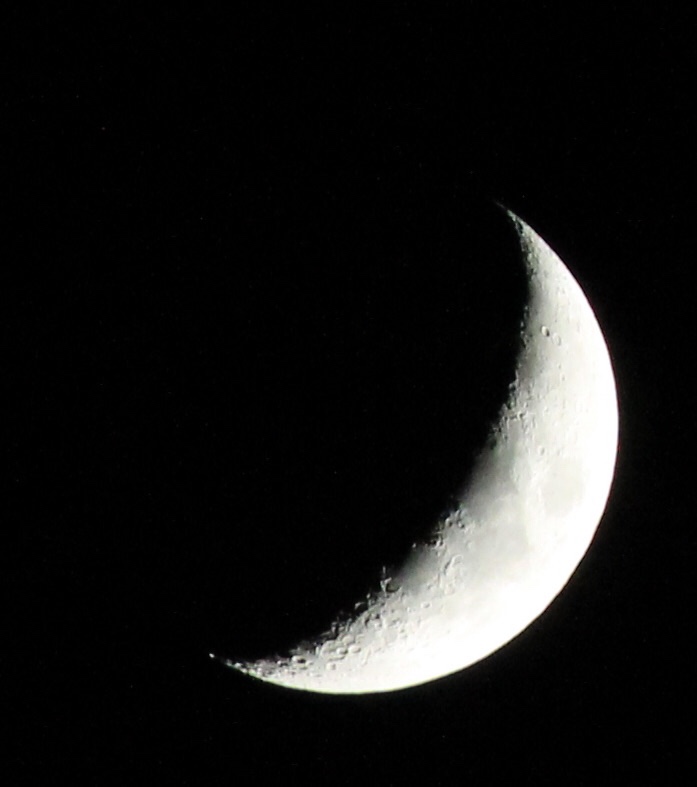
This particular reading from the book A Year With Thomas Merton: Daily Meditations spoke to me after a day of work and reflection on who we are called to be and how we are called to love as God loves us.
Finally I am coming to the conclusion that my highest ambition is to be what I already am. That I will never fulfill my obligation to surpass myself unless I first accept myself—and, if I accept myself fully in the right way, I will already have surpassed myself. For it is the unaccepted self that stands in my way—and will continue to do so as long as it is not accepted. When it has been accepted, it is my own stepping-stone to what is above me. Because this is the way man was made by God—and original sin was the effort to surpass oneself by being “like God,” i.e., unlike oneself. But our Godlikeness begins at home. We must become like ourselves, and stop living “beside ourselves.” October 2, 1958
Thomas Merton’s Journals, volume III A Search for Solitude, (pp.220–21)
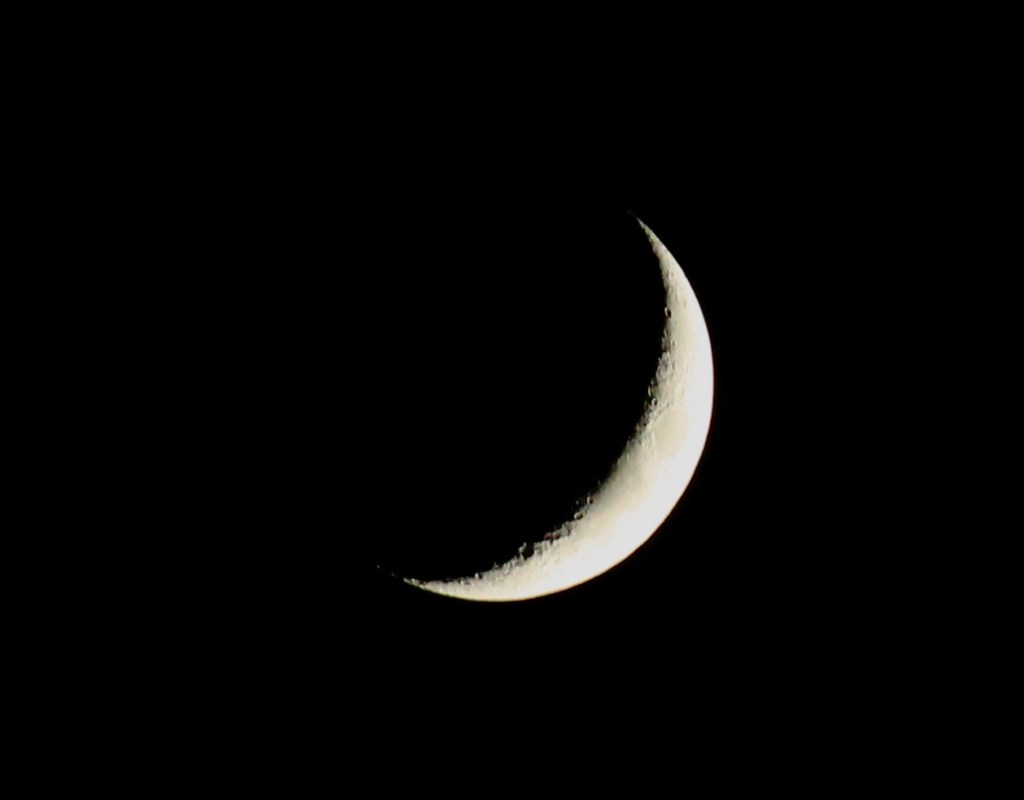
I came across the following quote from a letter that Thomas Merton wrote to Dorothy Day in 1961. She was knee deep in the fight for those whom society and the establishment ignored and abused in their quest for riches and power.
Persons are not known by intellect alone, not by principles alone, but only by love. It is when we love the other, the enemy, that we obtain from God the key to an understanding of who he is, and who we are. It is only this realization that can open to us the real nature of our duty, and of right action. (letter from Thomas Merton to Dorothy Day, 20 December 1961 from The Hidden Ground of Love)
The real nature of our duty and right action… we need to hear this challenge today. Yes, these are indeed challenging times for communities of all kinds. Tomorrow’s lectionary readings from the prophet Amos (Amos 5:6-7, 10-15) and the gospel of Mark (Mark 10:17:31) talk about division between the haves and the have-nots. They also point to a divide that was not created by God.
In verse twelve of Amos 5 we read the following: For I know how many are your transgressions, and how great are your sins– you who afflict the righteous, who take a bribe, and push aside the needy in the gate. Instead of a community that supports and nurtures all members, there was division according to Amos. This was a similar challenge which Jesus faced during his ministry on earth.
When a man came up to Jesus and asked him how he could inherit eternal life Jesus said, you know the commandments. The man, thinking he was on easy street said, I’ve kept all of the commandments since my youth. The challenge Jesus offered was to look beyond himself by selling all that he owns and give the money to the poor. The man went away grieving because he had a great many possessions. I wonder if Jesus was being more than simply literal in his comment.
Yes, some have done just that in their faith journeys. Francis of Assisi is one individual who comes to my mind. The question is: did Francis do this for his own individual salvation or did he realize that focusing on “things” takes our focus off of our neighbor.
How do we move from a faith that is self-centered to a faith that is God and neighbor centered? Amos had the following to say in verse fifteen: Hate evil and love good, and establish justice in the gate… establish justice for all, especially the downtrodden, those who have been denied justice by the ruling elite, including the church itself.
Perhaps the challenge of Jesus was about more than wealth. Perhaps it had more to do with what controls us. Do things control us? Does the need for absolute power control us? Does the need to base our self-worth by debasing others control us? These are questions that each one of us, including this Padre, need to wrestle with.
Coretta Scott King had the following to say about freedom, justice, and equality for all people—Freedom and justice cannot be parceled out in pieces to suit political convenience. I don’t believe you can stand for freedom for one group of people and deny it to others.
The challenge is to look beyond ourselves and look to the common good for all of God’s creation. Perhaps it is then that we will understand who God is and who we are called to be as children of God.

“Peace where: despair and divisiveness no longer threaten the human race, ignorance and injustice find no friendly place, vision and striving strengthen and thread human destiny, diversity of thoughts and ideas is a cherished treasure.
Peace where: reason and truths herald triumphs, dignity and justice are sacred rights, love transcends all colors and separating walls, hope and freedom are an eternal flame.”—excerpt of Sikh Prayer for Peace

“May we begin to reimagine a world where we see no stranger, where no person is disposable—and emerge from this pandemic ready to remake the systems that crush us.”—Valarie Kaur

