
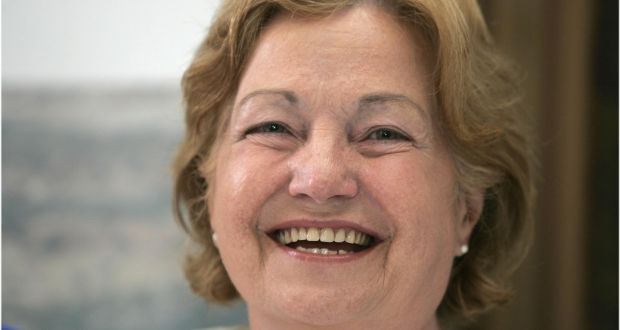
“Let’s ask the real questions, because it’s only when we get to the root of what the violence is and where it’s coming from and we focus on the root causes and begin to tackle them, will we have any hope whatsoever of beginning to get out of this mess that we are all in. The root causes of violence. You know, the enemy is poverty. The enemy is injustice. The enemy is cruelty. The enemy is demonizing another religion or other different ethnic groups.”—Mairead Corrigan Maguire
You know something about brokenness. You know about the broken world. You know about brokenness in your country. But most personally, you know it in your more intimate life. You know we are broken people and we suffer very intimate pains. The pain of a desire for intimacy that hasn’t been fulfilled . . . the pain of a relationship that did not work . . . the pain of an addiction that is so hard to confess . . . The secret pain of loneliness that can bite us so much . . . And what I would like to say to you is don’t be afraid of your pain, but dare to embrace it. If you are wounded, and I know that you are and I am, put your brokenness under the blessing.
We are called to give our lives to others, so you and I can bear fruit. And all brokenness, and all dying, and all suffering is there to allow you to enter into solidarity with the whole human family, and to give yourselves to others so that your life can bear fruit. God asks you not to have a successful life but to have a fruitful life.

“You can’t talk someone into believing their dignity. You do what you can to make a person feel unashamed of themselves and you hope in time they’ll believe in their beauty all on their own.”—Cole Arthur Riley, This Here Flesh

“Nonviolence to me is a source of power. And the power is actually in each person. One thing we have in common as individuals, as human beings, is the power to show love. The basis of nonviolence is love.”—Dr. Bernard Lafayette, The Third Harmony: Nonviolence and the New Story of Human Nature(film)
I suspect that we too often have lost contact with the source of our own existence and have become strangers in our own house. We tend to run around trying to solve the problems of our world while anxiously avoiding confrontation with that reality wherein our problems find their deepest roots: our own selves. In many ways we are like the busy executive who walks up to a precious flower and says: “What for God’s sake are you doing here? Can’t you get busy somehow?” and then finds the flower’s response incomprehensible: “I am sorry, but I am just here to be beautiful.”
How can we also come to this wisdom of the flower that being is more important than doing? How can we come to a creative contact with the grounding of our own life?
The contemplative is someone who sees things for what they really are, who sees the real connections, who knows—as Thomas Merton used to say—“what the scoop is.” To attain such a vision, a spiritual discipline is necessary. Evagrius [Ponticus] calls discipline the praktike, removing the blindfolds that prevent us from seeing clearly. Merton, himself very familiar with Evagrius, expressed the same idea. He told the monks of Gethsemani Abbey that the contemplative life is a life in which we constantly move from opaqueness to transparency, from the place where things are dark, impenetrable, and closed to the place where these same things are translucent, open, and offer vision far beyond themselves.

“I was amazed at how much energy I had wasted on fear. Time after time, I found myself fearing I would not be able to do something. Then I would do it. . . . Our fears take us to the edge of our being to a place where we are fully alive.”—Sarah York, Pilgrim Heart
Verse of the day
All who believed were together and had all things in common; they would sell their possessions and goods and distribute the proceeds to all, as any had need.
– Acts 2:44-45
Voice of the day
Shouting “self-care” at people who actually need “community care” is how we fail people.
– Nakita Valerio
Prayer of the day
Teach us discernment in these days, Lord, of when those around us need community care or self-care.
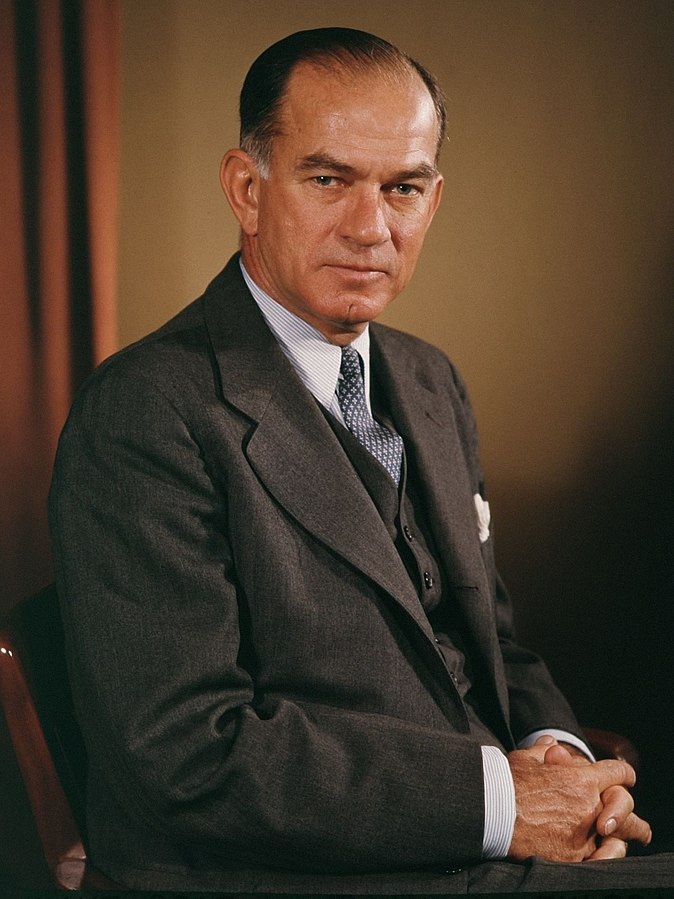
“We need to understand what other people think. While we don’t have to agree with them, we need to understand them to be different. . . . This is the alternative to nuclear war.”—Senator J. William Fulbright
Something very deep and mysterious, very holy and sacred, is taking place in our lives right where we are, and the more attentive we become the more we will begin to see and hear it. The more our spiritual sensitivities come to the surface of our daily lives, the more we will discover—uncover—a new presence in our lives
 Pastor Michael Moore's Blog